
Step 01
Write the Symbol Brief
Name the meaning, central shape, colors, mood, and intended use. Mention whether you need a badge, crest, abstract icon, or fictional mark, and keep the main subject singular so the composition stays focused.

Describe the meaning, shape, and mood you want, and this AI symbol generator creates original emblems, badges, and abstract marks you can compare and refine. Start with a meaning, shape, mood, and optional reference, then use geometry, symmetry, contrast, negative space, and silhouette to keep the direction clear before you generate. The finished result should work for insignias, badges, logos, icons, faction marks, and abstract emblems.


A useful symbol starts with a readable idea. Use the generator to explore shape, contrast, and visual language before you polish a final mark.

Tell the symbol generator what the mark should communicate, such as connection, direction, protection, energy, or curiosity. Add the audience and context so the first concepts have a clear purpose instead of becoming random decoration. Keep the brief focused on one main idea and one supporting detail. Keep output may be a raster image rather than a vector or SVG, and trademark clearance is still required. That check matters before the asset moves into square icon, badge, and horizontal lockup layouts.
Specify circles, arrows, shields, rays, loops, or angular forms and name the colors that should dominate. A strong logo with arrow or logo wheel needs a silhouette that still reads at small sizes. Ask for high contrast and limited detail when the symbol will become an avatar, badge, or app icon. For control geometry and contrast, describe the meaning first, then refine the strongest symbol direction instead of starting over. Check whether the mark communicates the idea at both icon size and large display size before treating the result as finished.
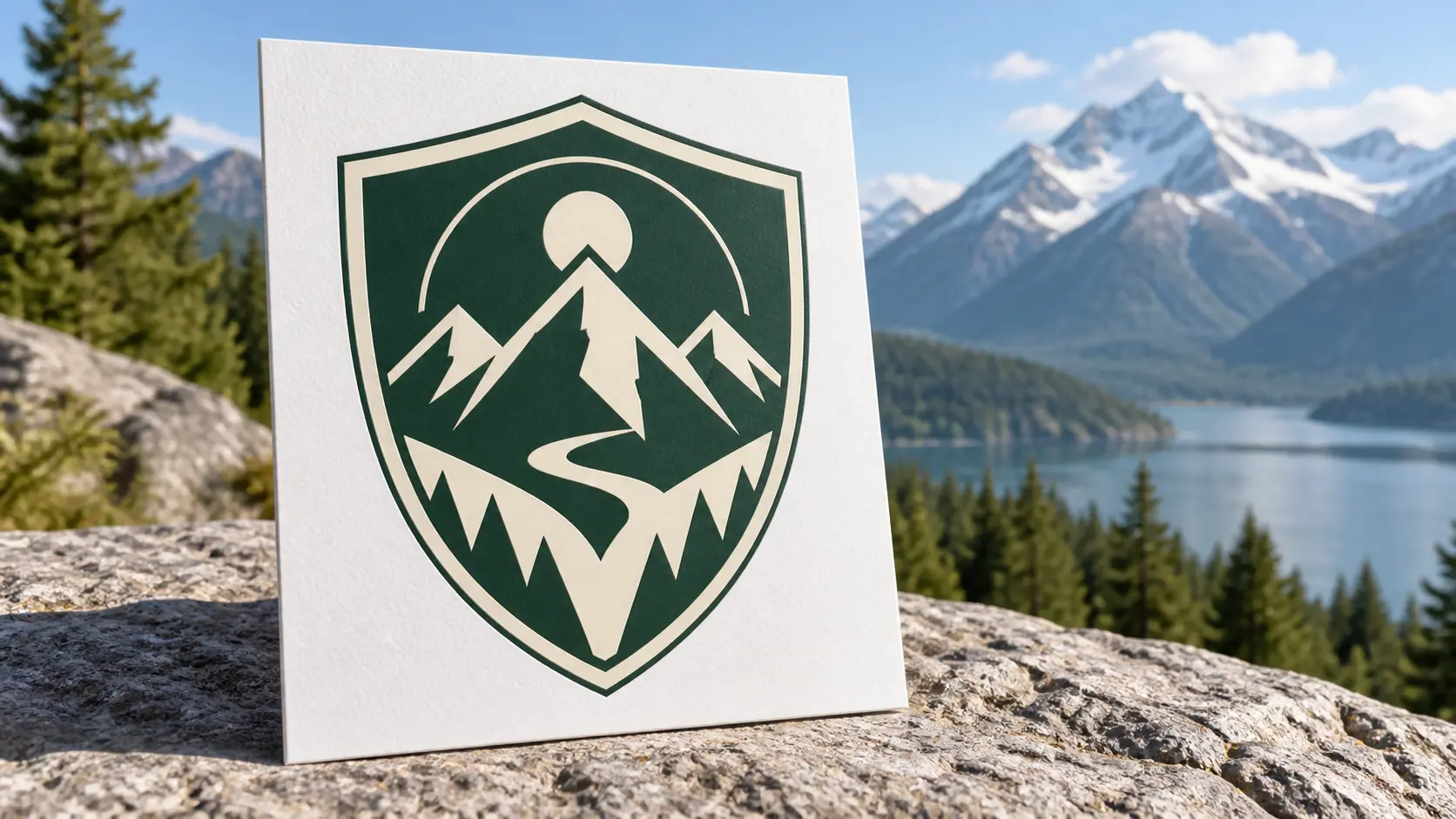
The same idea can become a round badge, a crest, a seal, or a standalone icon. Use the insignia generator direction for teams, fictional factions, clubs, and events, then compare which frame gives the symbol the clearest hierarchy. Keep references original and avoid copying protected marks. Test the design as an embroidered patch, a sign, a profile icon, and a one-color print before choosing the final frame.

Generate several options, choose the clearest silhouette, and revise the prompt to simplify crowded details or adjust the palette. You can use the output as a concept for a designer, social profile image, presentation, or further editing in the workspace. Keep a record of the selected prompt, reference notes, and final file so the mark can be explained or revised later. Test the symbol at small and large sizes before sharing it.
Move from a short visual brief to a symbol concept you can evaluate at a glance.
Step 01
Name the meaning, central shape, colors, mood, and intended use. Mention whether you need a badge, crest, abstract icon, or fictional mark, and keep the main subject singular so the composition stays focused.
Step 02
Let the AI symbol generator interpret the brief in multiple ways. Compare silhouette, balance, contrast, and whether the mark still reads when it is viewed as a small thumbnail.
Step 03
Pick the strongest direction, simplify any distracting details, and run another variation when needed. Download the finished raster image for a concept deck, social profile, event, game, or later vector redraw.
Explore original visual identities for creative projects, communities, and fictional worlds.
Create an original faction seal or superhero symbol for a story, game, or character sheet. Describe its values and a simple motif; avoid copying existing emblems.
Design a badge for a club, event, or creator community. Keep its silhouette and contrast clear for banners, shirts, and small profile images.
Explore an infinity logo brand direction, logo wheel, or abstract mark. Compare concepts before refining a complete visual identity.
Try a plug logo, paper airplane logo, or question logo for a product concept. Use simple shapes that remain recognizable at small sizes.

Describe the meaning and shape you have in mind, compare original directions, and refine the mark that fits.
Get Started