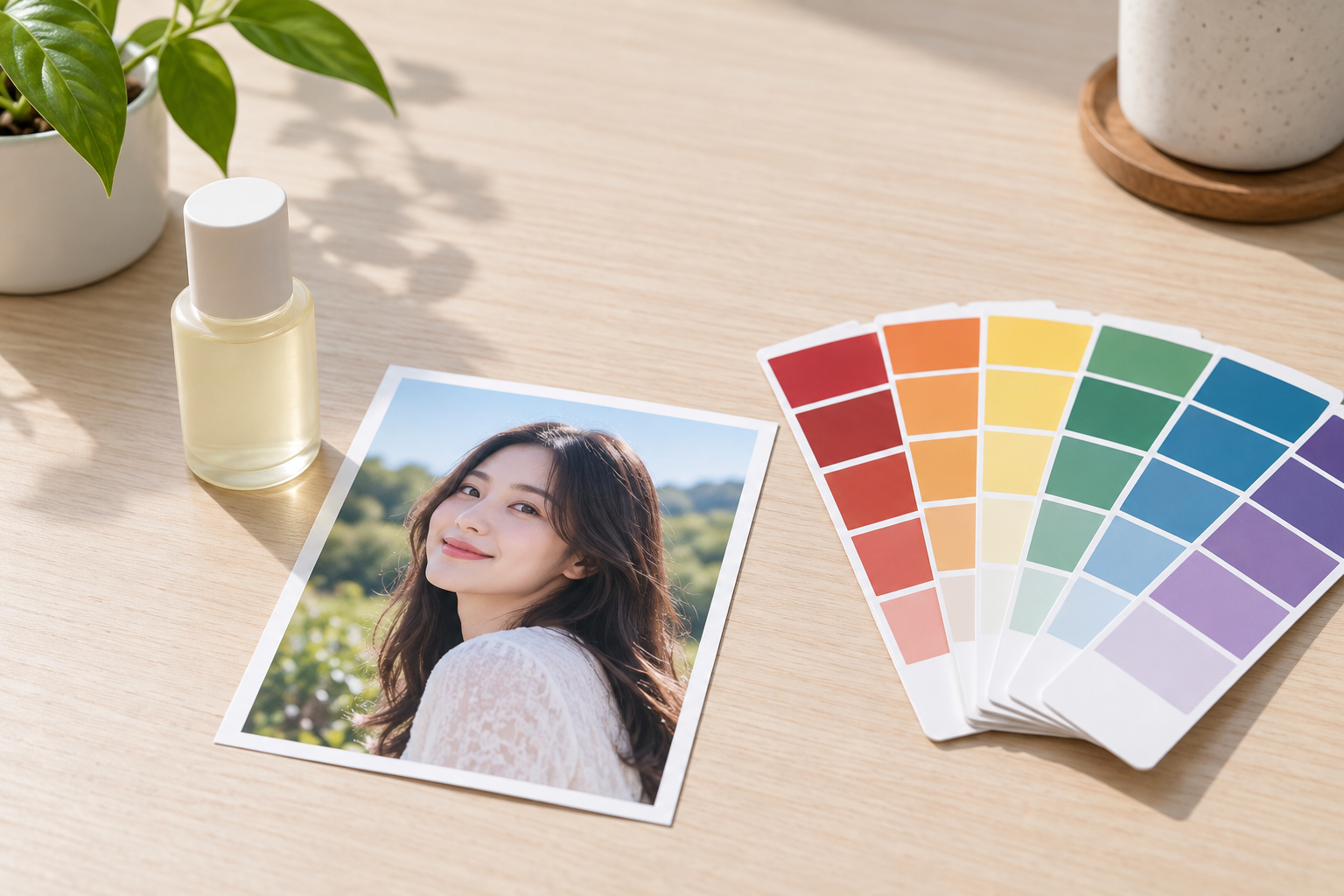
Recolor The Setting

Background Color

Upload a photo or product image and change background color for a cleaner listing, brand palette, headshot, or social layout without losing the subject edge.

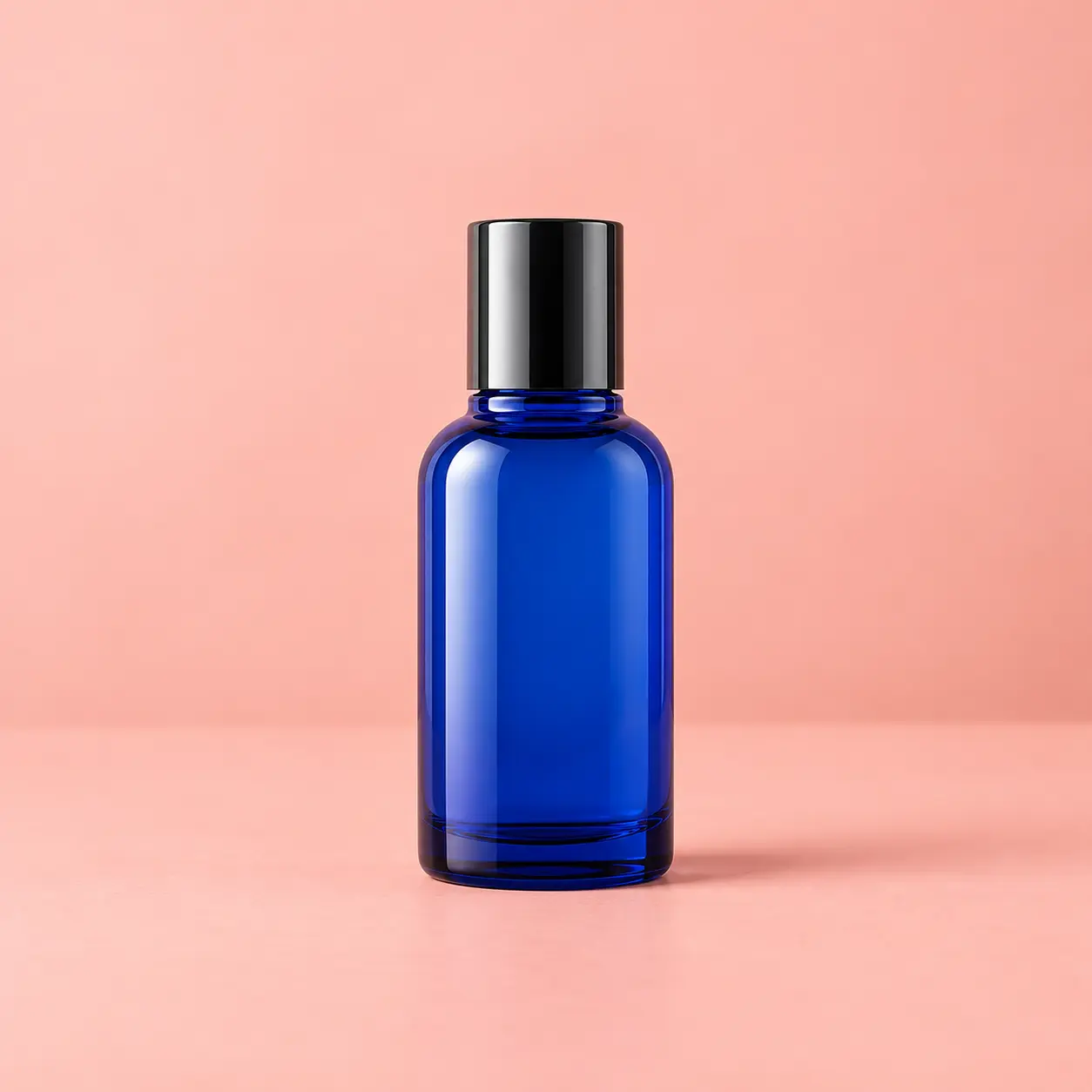
Blue product bottle placed on a coordinated pale coral background color with natural shadows

Who Changes Background Color

Shop owner matching products to listing color backgrounds

Shops Matching Listing Colors

Products often need a specific background color for a collection, campaign, or marketplace layout. Change background color while keeping the product shape, label area, and shadow direction consistent.

Brand art director arranging a physical color palette

Brand Teams Building A Palette

Create a family of images around the same brand colors. A consistent background color makes a feed, catalog, or presentation feel intentional without repainting the product itself.

Portrait photographer preparing a colored studio backdrop

People Preparing Portraits And Profiles

Replace a distracting wall with a clean studio color for a profile picture, speaker card, resume, or event graphic, while keeping hair and face detail natural.

What To Control In A Background Color Edit

A clean recolor needs more than filling the old background. The edge, shadow, subject color, and final palette all need to agree.

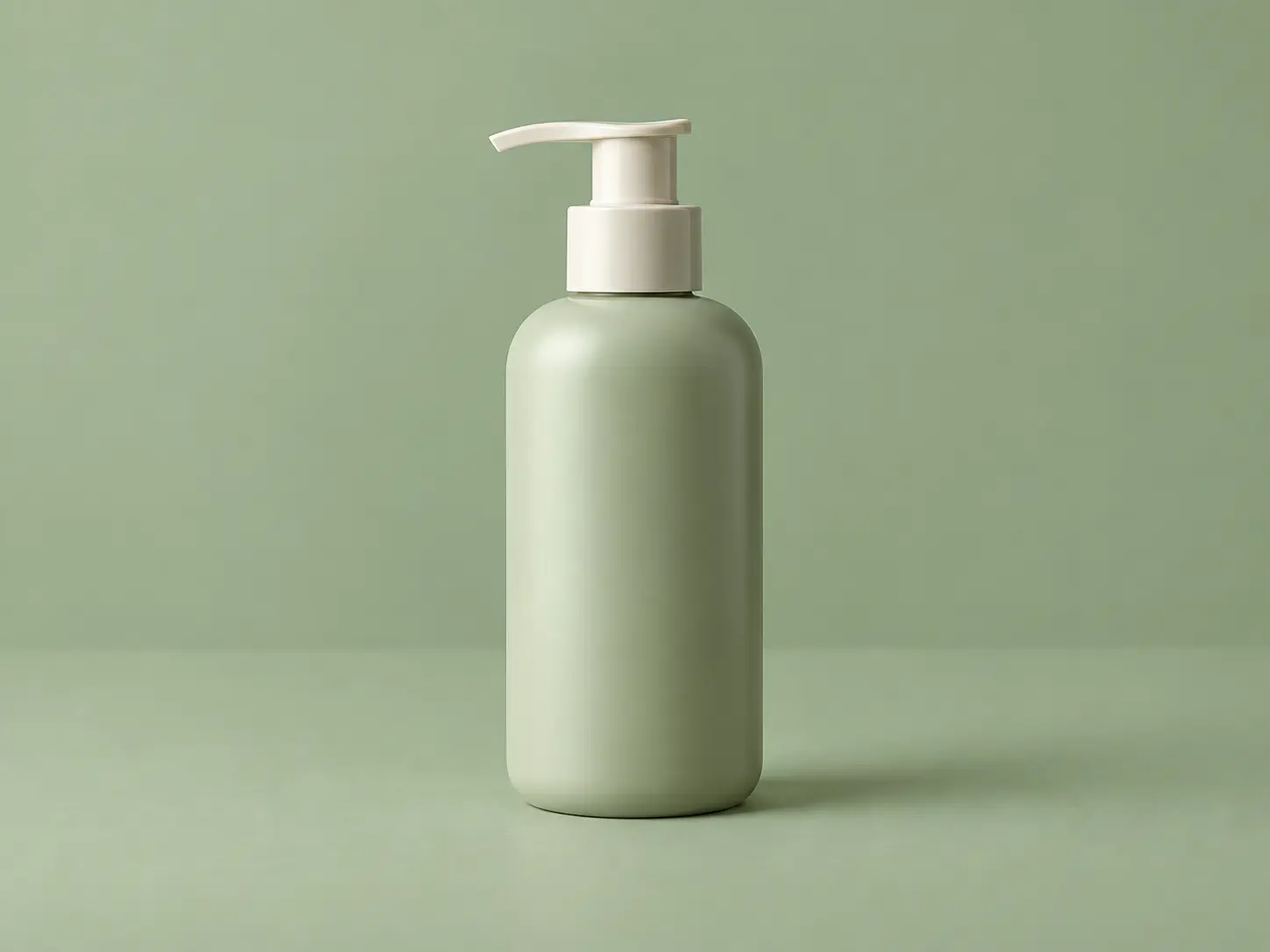
Product on a newly chosen sage green background with a smooth even color surface

Choose A Specific Color

Move a flat wall or studio surface to a chosen hue for a listing, brand system, or social template. The result should stay even across the frame instead of leaving patches of the original background.

Portrait hairline and loose strands kept clean against a pale blue background color

Protect Hair And Fine Edges

Hair, fur, lace, and transparent edges can pick up a colored fringe when the background changes. Use a clean source and review the transition before exporting.

Glass product with contact shadow and reflection matched to a warm sand background color

Match Shadow To The New Color

A colored background changes how a product or person feels grounded. Keep the contact shadow, floor line, and reflection direction consistent so the subject does not look pasted on.

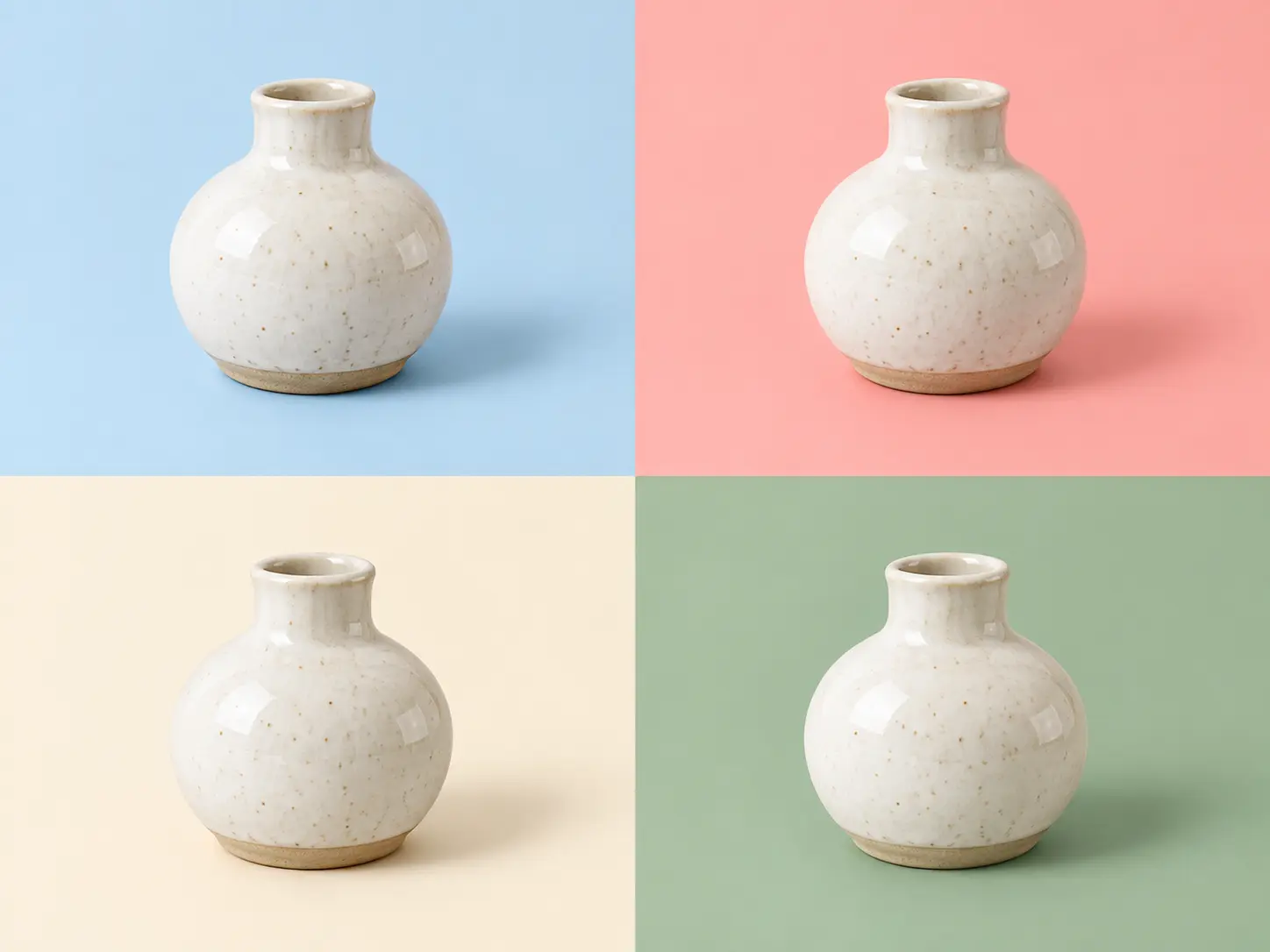
One ceramic product repeated across a coordinated set of pastel background colors

Create A Coordinated Color Set

Use the same subject across several colors for a collection, campaign, or carousel. Keep scale, lighting, and spacing stable so the images read as one set.

How To Change Background Color

Upload the source, choose the new color direction, and review the edge and shadows before export.

Product bottle and portrait photo arranged on a clean table before a background color edit

Step 01

Upload A Product Or Portrait

Start with a clear JPG, PNG, or WebP. A simple original background and a fully visible subject make the background color change easier to control.

Small product shown beside a selected range of coordinated background color swatches

Step 02

Choose The New Color Direction

Set the color you need or describe the brand palette and mood. Keep the subject instruction separate so the product, clothing, and skin tones do not shift with the background.

Finished background color image with a clean product edge and natural floor shadow

Step 03

Review Edge, Shadow, And Export

Check the hairline or product edge, contact shadow, floor plane, and overall color balance. Download the version that fits the listing, profile, or campaign layout.

Background Color Use Cases

Use a consistent color change for commerce, branding, personal profiles, and social layouts.
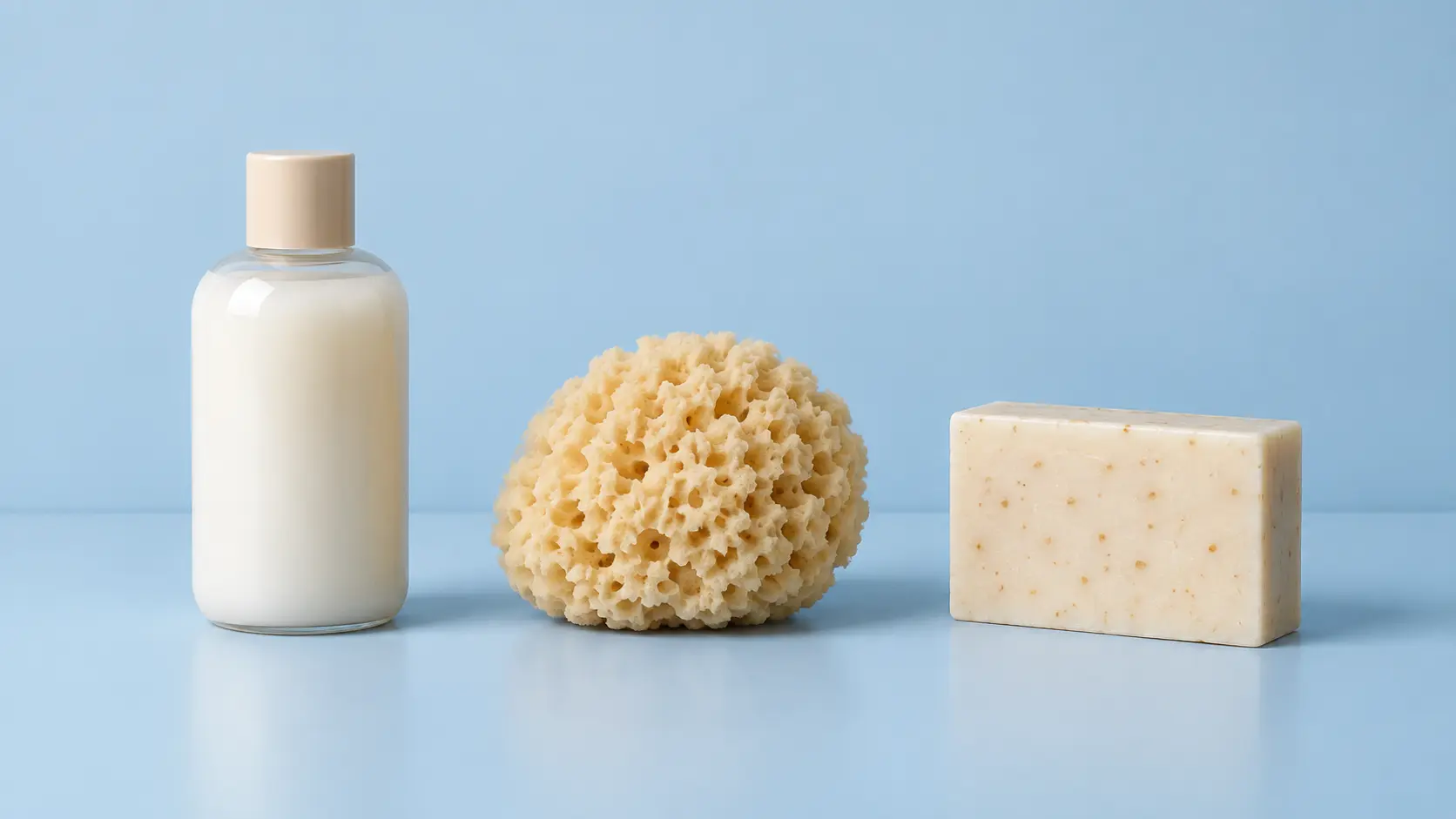
Coordinated product collection presented on the same soft studio background color

Product Collections

Give a group of products the same studio color for a catalog, shop category, or campaign landing page.

Product image using a coordinated brand color background for a social post layout

Brand And Social Graphics

Match the background to a brand palette so a product, portrait, or announcement works across a feed or presentation.

Portrait headshot against a clean sage background color with natural hair and skin tones

Profiles And Headshots

Replace a busy room with a clean color wall for a resume, speaker card, team page, or social profile.
Background Color FAQ

Upload a clear source image, choose or describe the new color, and keep the subject instruction separate. Review the edge, shadow, and overall palette before downloading the result.

The workflow uses a visual prompt and the available controls in the current workspace. Describe the color precisely by hue, tone, and mood, then compare the generated result against your brand reference before use.

The goal is to change the surrounding background while preserving the product, clothing, and skin tones. Mention the subject colors that must stay unchanged, and review the result if the original product color is close to the background.

Use a sharp original image with good separation between the hair and background. Check the edge at full size after generation, because fine strands can pick up the previous background color more easily than a hard product edge.

Yes. Keep the same source and change one palette element at a time so the versions stay consistent. This is useful for collection layouts, carousels, seasonal campaigns, and A/B creative tests.

Choose based on the destination and the product itself. A neutral color supports comparison, a brand color reinforces recognition, and a light color works well when the product or label needs to stand out. Check marketplace rules before publishing.
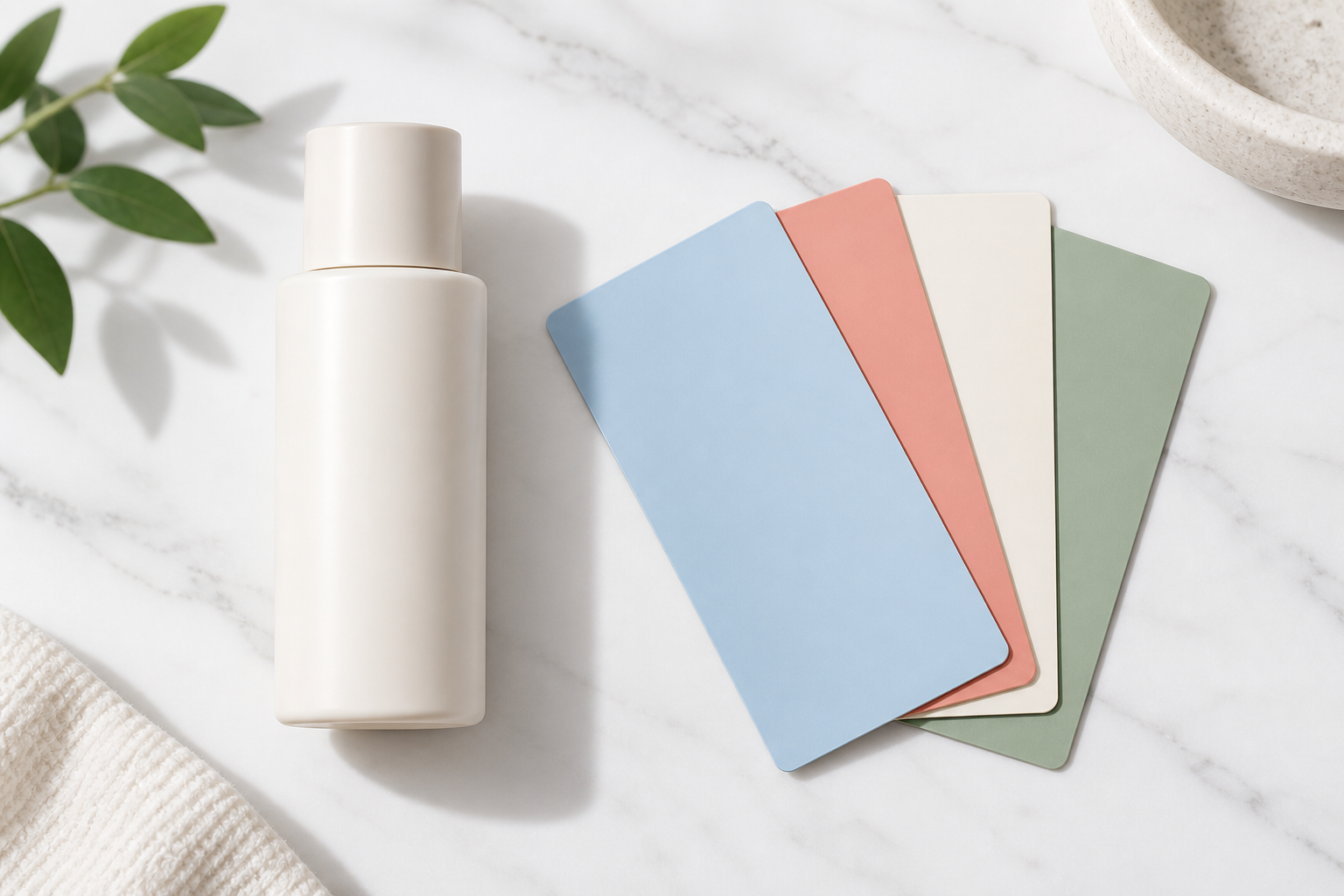
Bright studio surface with coordinated color cards and a clean product cutout

Find The Right Background Color For Every Image

Upload the source, set the color direction, and keep the subject edge and shadows natural.

Get Started
Background Color - Change Background Color Online - VideoAI